

Surgeries that will require sedation
For your safety and to help your procedure go as smoothly as possible, please carefully follow these instructions before your scheduled surgery.
Eating & Drinking
- Do not eat or drink anything for 8 hours before your scheduled procedure, unless specifically instructed otherwise by your surgeon.
- This includes food, gum, candy, mints, and beverages.
- You may take approved medications with a small sip of water as directed by your surgeon.
- Failure to follow fasting instructions may require your procedure to be postponed or rescheduled.
Medications
- Take your usual medications unless your surgeon has instructed you otherwise.
- Please inform us of all prescription medications, over-the-counter medications, vitamins, and supplements you are taking.
- If you take blood thinners, diabetes medications, insulin, or GLP-1 medications such as Ozempic®, Wegovy®, Mounjaro®, or Zepbound®, please make sure our surgical team is aware before your procedure. You will receive individualized instructions regarding these medications.
- Do not stop an important prescription medication unless instructed by your prescribing provider or surgical team.
Transportation & Responsible Adult
Because you will receive sedation, you cannot drive yourself home.
- A responsible adult must accompany you to your appointment, stay the duration of the surgery, and drive you home afterward.
- Your driver should remain available during your procedure
- You should have a responsible adult available to assist you after surgery.
- Do not drive, operate machinery, drink alcohol, make important decisions, or participate in potentially dangerous activities for at least 24 hours after sedation.
Clothing & Personal Items
- Wear comfortable, loose-fitting clothing with sleeves that can easily be rolled above the elbow.
- Wear flat, secure shoes.
- Please remove contact lenses before your procedure when instructed.
- Avoid heavy makeup, lipstick, and facial cosmetics.
- Remove oral and facial piercings before arriving.
- Leave valuables at home.
Smoking, Vaping & Alcohol
- Do not drink alcohol or use recreational drugs before your procedure.
- Avoid smoking and vaping before surgery and throughout your recovery, as these can interfere with healing and increase the risk of complications.
Changes in Your Health
Please contact the office before your appointment if you develop a fever, significant cough, respiratory illness, vomiting, diarrhea, or other major change in your health before surgery.
If you believe you may be pregnant or there is a possibility of pregnancy, please inform your surgical team before receiving medications or undergoing treatment.
Day of Surgery
Please arrive at the time provided by the office. Your surgical and anesthesia team will review your medical history, medications, procedure, and anesthesia plan with you before treatment begins.
Following these instructions is important for your safety. If you have any questions about fasting, medications, transportation, or your upcoming procedure, please contact the office before the day of surgery.
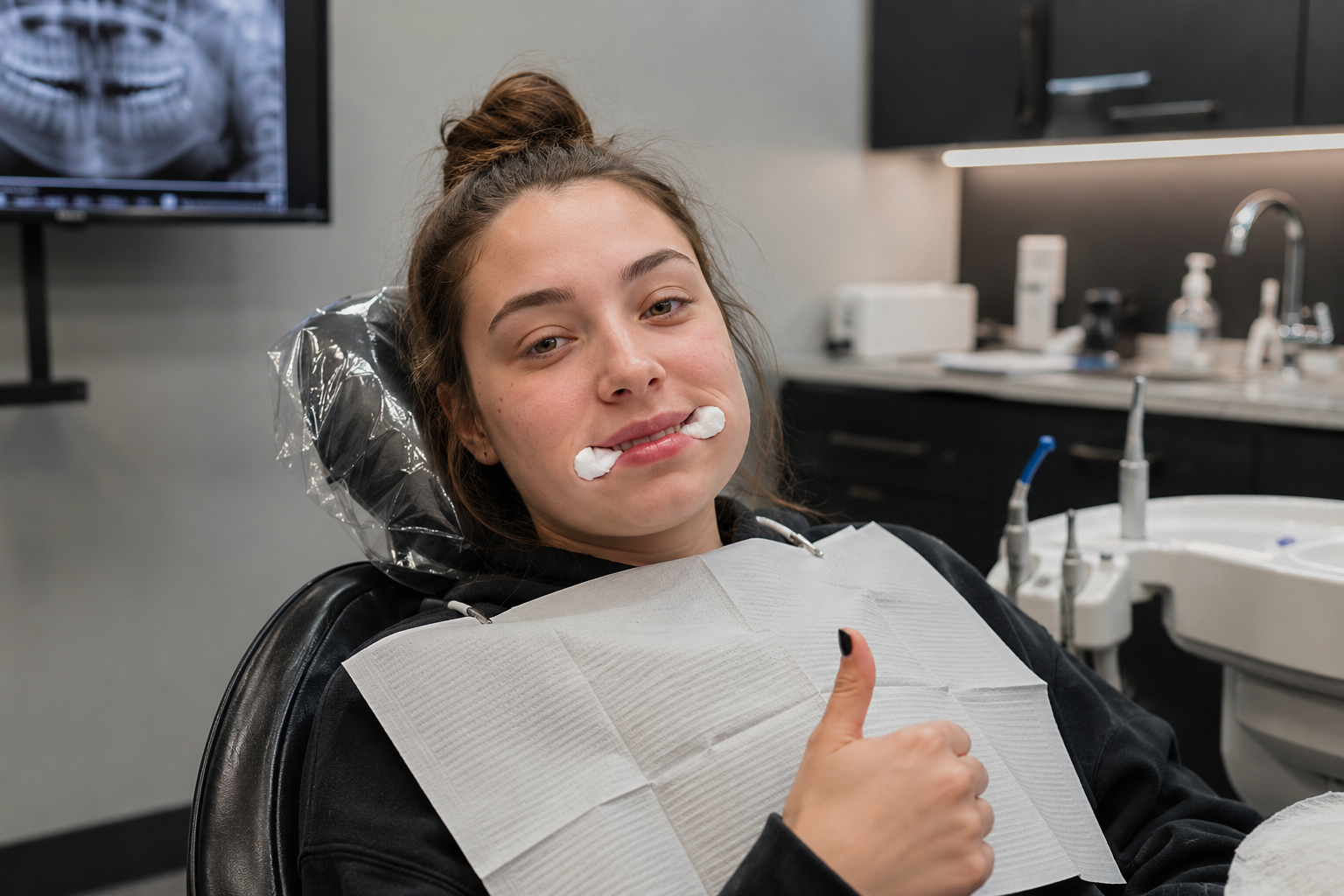
Wisdom tooth Post-op information
Some bleeding, swelling, soreness, and jaw stiffness are normal after wisdom tooth removal and are usually greatest during the first 2–3 days. Bite firmly on gauze as needed for bleeding, use ice packs for the first 24–48 hours, rest with your head elevated, and take medications as directed. Eat soft foods, drink plenty of fluids, and avoid straws, vigorous rinsing, smoking/vaping, and strenuous activity for the first several days. Beginning the day after surgery, brush gently and rinse with warm salt water after meals; if you were given an irrigation syringe, begin using it only when instructed. Contact your surgical team for uncontrolled bleeding, worsening swelling, fever, severe or increasing pain after several days, persistent vomiting, difficulty swallowing or breathing, or any other concerning symptoms.
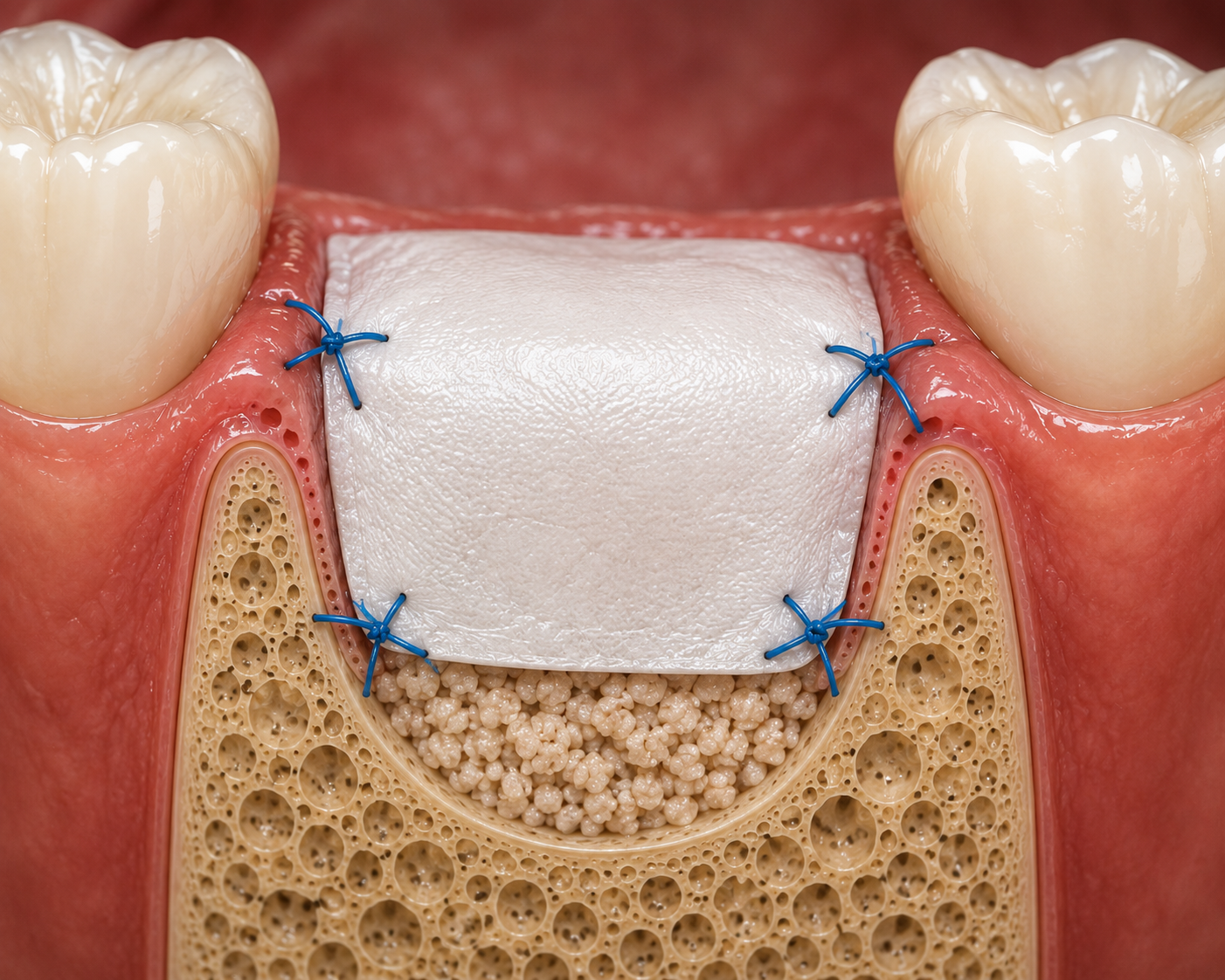
Bone Graft Post-op information
Some bleeding, swelling, soreness, and bruising are normal after bone grafting and are usually greatest during the first 2–3 days. Use ice packs for the first 24–48 hours, keep your head elevated, take medications as directed, and eat soft foods while avoiding chewing directly over the grafted area. Do not touch, press, or disturb the graft site, and avoid vigorous rinsing, spitting, straws, smoking/vaping, and strenuous activity for the first several days. Small particles of graft material may occasionally work their way out of the site and are generally not a cause for concern. Beginning the day after surgery, brush gently around the area and rinse as directed, but do not use a Waterpik or aggressively clean the graft site. Contact your surgical team for uncontrolled bleeding, worsening swelling, fever, drainage, severe or increasing pain, significant loss of graft material, or any other concerning symptoms.
You will typically wait 4 months before returning to have an implant placed in order for bone healing to take place.
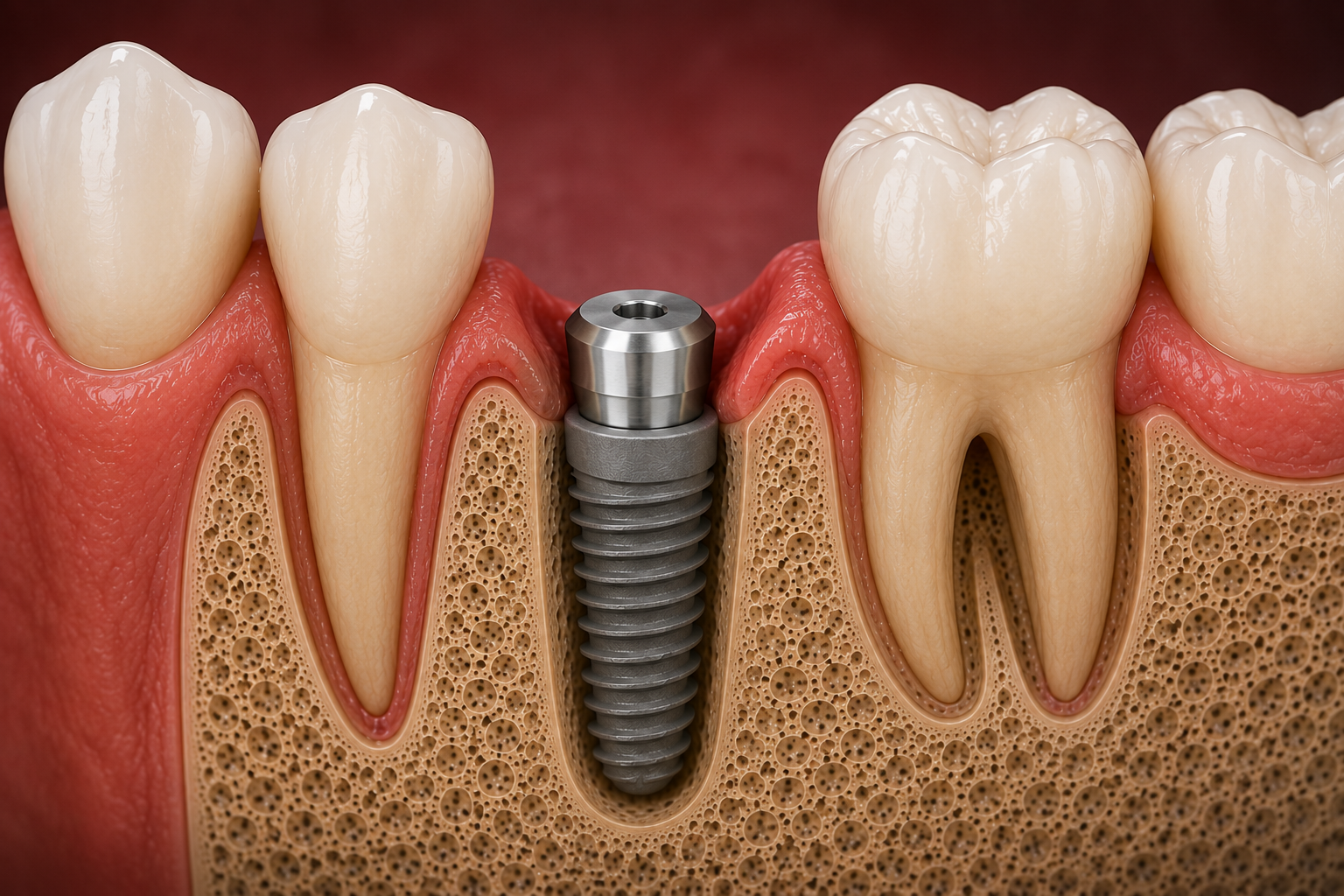
Implant Post-op information
Some bleeding, swelling, soreness, and bruising are normal after dental implant placement and are usually greatest during the first 2–3 days. Use ice packs for the first 24–48 hours, keep your head elevated, take medications as directed, and eat soft foods while avoiding chewing directly over the implant site. Do not touch or disturb the implant, and avoid vigorous rinsing, spitting, straws, smoking/vaping, and strenuous activity for the first several days. Beginning the day after surgery, gently brush your teeth and rinse as directed while being careful around the surgical area. Contact your surgical team if you experience uncontrolled bleeding, worsening swelling, fever, drainage, severe or increasing pain, the implant or healing cap feels loose, or any other concerning symptoms.
You will wait 3 months before returning to the office to have the implant tested in preparation for a crown.
Create Your Own Website With Webador